Rattan, Cane, Weaving - Laser Cut Files
Imagine transforming a simple piece of wood or acrylic into a stunning, textured masterpiece with just a few clicks. That's the creative potential unlocked by the Rattan, Cane, Weaving - Laser Cut Files, a versatile digital asset designed for makers, designers, and crafters who appreciate intricate, natural patterns.
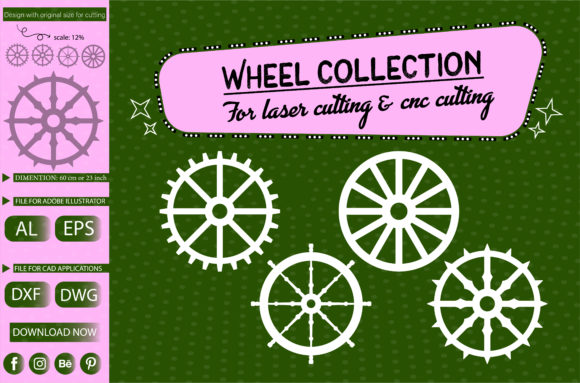
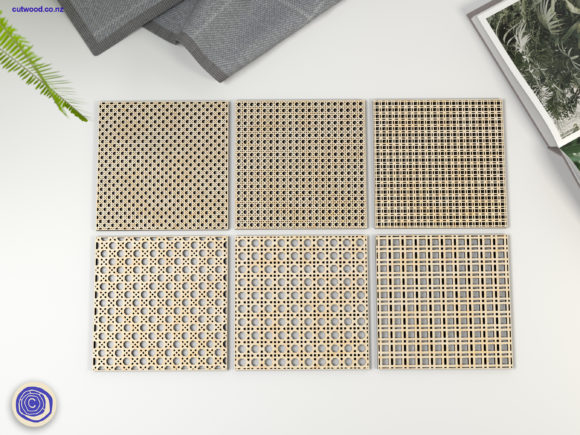
This collection isn't just a set of templates; it's a gateway to adding sophisticated, organic texture to your projects. Included are six distinct rattan and cane-inspired designs, each with varying patterns and spacings. Because these are vector-based files, they offer unparalleled flexibility. You can scale them to any size without losing quality, making them perfect for everything from delicate jewelry to large-scale architectural panels.
Unleashing Creative Possibilities
Think beyond the obvious. While these files are exceptional for laser cutting thin birch plywood, their applications span a wide creative spectrum. Here’s how you can integrate them into your workflow:
- Wall Art & Décor: Create stunning, lightweight wall hangings, room dividers, or decorative panels that play with light and shadow.
- Custom Furniture & Accents: Design unique inserts for cabinet doors, tabletops, or side panels for a mid-century modern or bohemian aesthetic.
- Signage & Branding: Develop tactile, memorable logos, business cards, or point-of-sale displays for brands focused on nature, craftsmanship, or wellness.
- Packaging & Product Design: Elevate product packaging with a laser-cut sleeve or create intricate molds for candles, soaps, or ceramics.
- Digital Design Assets: Use the SVG or AI files as complex backgrounds, texture overlays, or pattern fills in your graphic design software for web banners, social media graphics, or poster designs.
The included DXF, DWG, AI, and SVG formats ensure compatibility with virtually any laser cutter, CNC machine, plasma cutter, or design software like Adobe Illustrator or Cricut Design Space. This makes it a reliable part of any designer's toolkit, much like a well-chosen typeface.
Integrating Organic Texture into Your Design Language
In the same way a premium font can define a brand's voice, these woven patterns can define its visual and tactile identity. They bring a sense of handcrafted quality and natural elegance that’s hard to achieve otherwise. Consider pairing a clean, modern sans-serif font with a laser-cut rattan background to create a compelling contrast between digital precision and organic form.
For projects in editorial design or packaging, this texture can serve as a sophisticated detail. Imagine a business card with a subtle, laser-etched weave pattern in the corner, or a book cover where the texture becomes part of the narrative. The key is to use these patterns thoughtfully to enhance, not overwhelm, your core message.
Tips for Seamless Implementation
To get the most from these design assets, keep a few practical points in mind:
- Test Your Material: While birch plywood is a great starting point, experiment with acrylic, MDF, or even leather. Each material will yield a different aesthetic and feel.
- Consider Scale and Spacing: The beauty of vector files is your ability to adjust the pattern's density. A tighter weave feels more solid and textured, while a more open pattern feels airy and delicate.
- Layer with Purpose: Don't be afraid to layer these patterns with other design elements. A rattan texture behind a bold script font can create a beautiful, balanced composition.
- Commercial Use Advantage: The included commercial license is a significant benefit for entrepreneurs and small businesses, allowing you to sell finished products made with these designs.
Choosing the right creative assets is about finding tools that inspire and empower your vision. The Rattan, Cane, Weaving - Laser Cut Files offer a unique blend of natural beauty and digital precision, providing a tangible way to add depth, character, and a professional polish to a multitude of projects. They are a thoughtful investment for any creator looking to bridge the gap between digital design and physical craftsmanship.